
The Role of Emotion in Casino Game Selection
In the high-stakes environment of a casino, emotions play a pivotal role in how players make their choices. The thrill of gambling often elicits strong emotions such as excitement, anxiety, and even euphoria. These feelings can drive individuals to select games that heighten their emotional state, whether it’s the adrenaline rush of a fast-paced slot machine or the strategic contemplation found in poker. Players frequently gravitate toward games that resonate with their current mood, which can result in impulsive decision-making based on emotional highs and lows rather than rational thought. Additionally, many people might find themselves researching casinos not on gamstop to explore alternatives when their emotional state affects their decision-making.
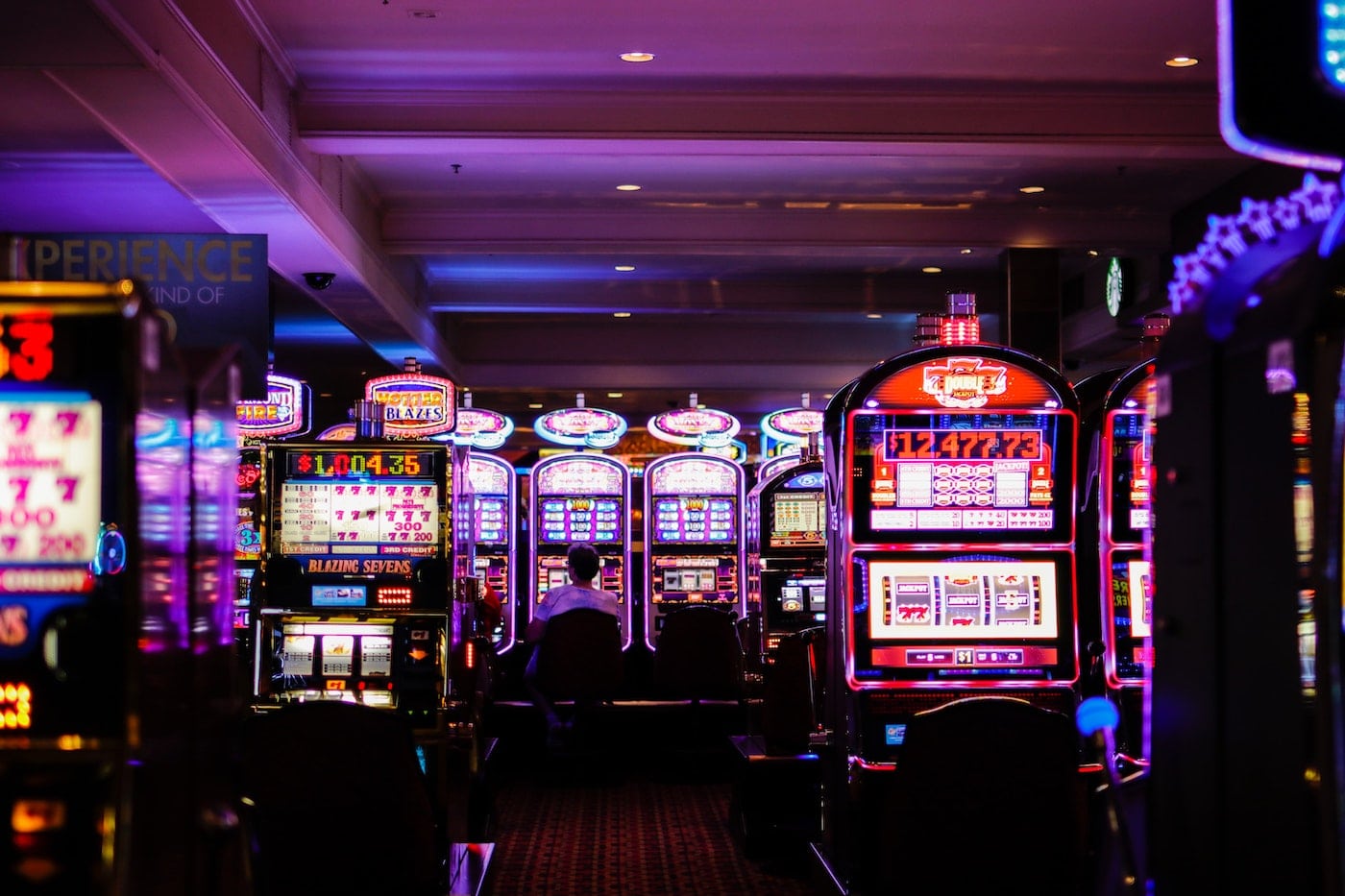
Additionally, these emotional responses can create a cycle of behavior where the enjoyment or frustration from one game influences the choice of the next. For instance, a player who experiences a significant win might be tempted to choose a similar game in hopes of repeating that success. Conversely, a losing streak can lead to risky decisions, as individuals may chase their losses by shifting to a different game or increasing their bets. Understanding the emotional underpinnings of these choices is crucial for both players and the casino industry, which can tailor experiences to enhance player satisfaction.
Cognitive Biases and Decision-Making
Cognitive biases significantly affect how players perceive their chances of winning and influence their decisions in a casino setting. Biases such as the gambler’s fallacy, where individuals believe that past outcomes will affect future results, lead players to make irrational choices. For example, if a player observes that a particular number hasn’t hit in a while, they may feel compelled to bet on it, believing it is “due” for a win. Such misconceptions can divert attention from the reality that each game round is statistically independent. The concept of the “unknown” can often factor into these decisions, as players may overlook certain aspects because they are not fully aware of the odds.
Another common bias is the illusion of control, where players mistakenly believe they can influence the outcome of a game through skill or strategy, especially in games like poker or blackjack. This belief can encourage more frequent play and larger wagers, as individuals feel empowered by their perceived abilities. Recognizing these cognitive biases can help players maintain a healthy perspective on the randomness of casino games, ultimately leading to more informed decision-making.
The Influence of Social Dynamics
The social context in which gambling occurs can profoundly shape players’ choices and strategies. Casinos often foster a communal atmosphere where individuals can feed off each other’s energy and excitement. This social interaction can lead players to select games based on the presence or behavior of others, such as joining a crowded table or favoring popular slot machines that seem to attract attention. The social aspect enhances the thrill of gambling, making it a collective experience as much as an individual one.
Moreover, peer influence can motivate players to try new games they might not have considered before. Group dynamics can also sway betting behavior, as players may feel compelled to match their friends’ stakes or decisions. However, this social pressure may also lead to poor choices, especially if individuals feel the need to keep up with friends or impress fellow gamblers. Understanding the impact of social interactions can provide valuable insight into player decision-making processes in casinos.
The Role of Marketing and Game Design
Casino marketing strategies and game design are intricately linked to the psychology of choice. Operators leverage eye-catching graphics, enticing sound effects, and complex reward systems to attract players and keep them engaged. These elements are meticulously crafted to create an environment that heightens excitement and encourages prolonged play. By strategically placing games and utilizing promotional tactics, casinos can manipulate player behavior effectively.
The use of loyalty programs and bonuses further enhances decision-making processes. Players often choose games based on perceived value or potential rewards, which can lead to repeated play if they feel they are getting favorable treatment. The psychology of reward and reinforcement is harnessed to encourage players to return, creating a cycle of engagement that aligns with their decision-making patterns. Understanding these strategies can help players navigate their choices more strategically and resist the allure of impulsive decisions.

Ensuring a Safe and Enjoyable Gambling Experience
For those engaged in casino gaming, awareness of the psychological factors at play can enhance both enjoyment and responsibility. Recognizing the emotional and cognitive influences that guide decision-making enables players to make more informed choices. Furthermore, understanding the social dynamics and marketing strategies can empower players to approach gambling with a balanced perspective, mitigating the risk of compulsive behavior.
In the context of online gambling or brick-and-mortar establishments, it is essential for players to engage with platforms that prioritize their safety and well-being. Websites and casinos should implement measures to promote responsible gambling, ensuring a secure environment where players can enjoy their experience without adverse consequences. By fostering awareness and implementing protective strategies, the industry can support a healthy gambling culture that enhances player satisfaction while minimizing risks.
